
০৪:০৫ পূর্বাহ্ন, বৃহস্পতিবার, ০৫ মার্চ ২০২৬, ২০ ফাল্গুন ১৪৩২ বঙ্গাব্দ

Another Drone Attack Targets Saudi Oil Giant Aramco

  • Sangbad365 Admin
  • সময়ঃ ১১:৪৫:২০ পূর্বাহ্ন, বুধবার, ৪ মার্চ ২০২৬
  • ১৬০০২ Time View

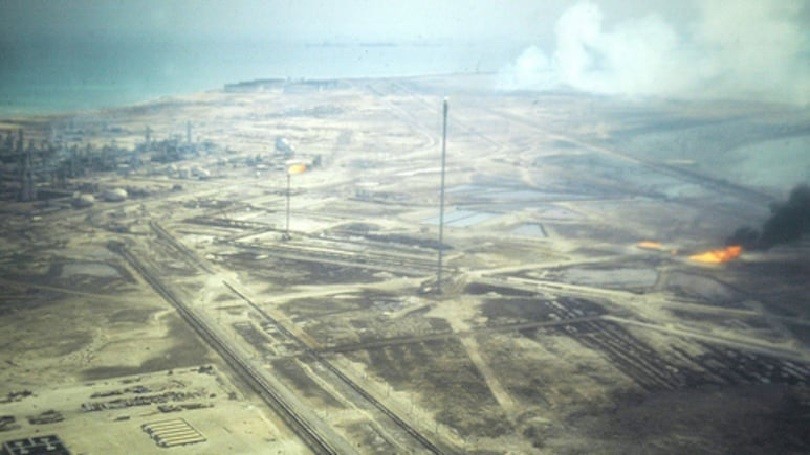
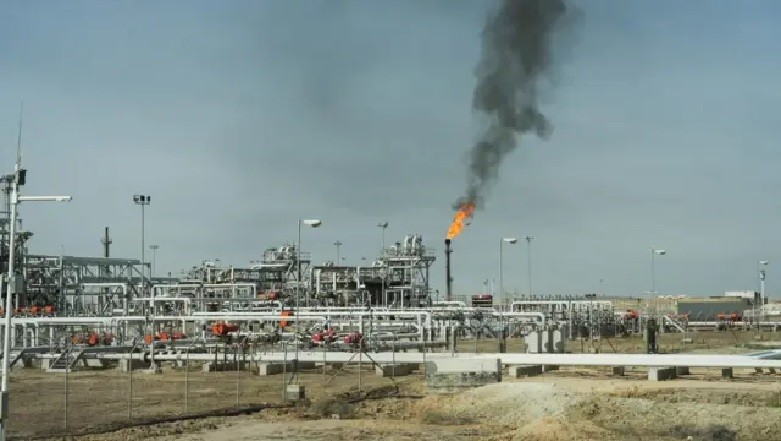
Saudi Arabia’s oil giant, Saudi Aramco’s largest domestic refinery, Ras Tanura Refinery, has once again been targeted by a drone attack. A spokesperson for the Saudi Ministry of Defense confirmed this information, according to NDTV.

The spokesperson stated that an attack attempt was made targeting the Ras Tanura Refinery. Preliminary assessments indicate that the attack was carried out by drones, but no damage was incurred.

Earlier on Monday, following an attack similar to Iran’s ‘Shahed’ suicide drones, Saudi Aramco was forced to temporarily halt operations at the Ras Tanura Refinery due to security concerns. This complex is considered one of the most important foundations of Saudi Arabia’s energy sector.

As the world’s largest oil exporter, most of Saudi Arabia’s oil fields and energy infrastructure are located on the country’s eastern coast, in the Gulf region, opposite Iran.

Following the first drone attack earlier this week, Aramco suspended the export of liquefied petroleum gas (LPG). Although local supply remained normal, the company stated that propane and butane exports would be suspended for several weeks.

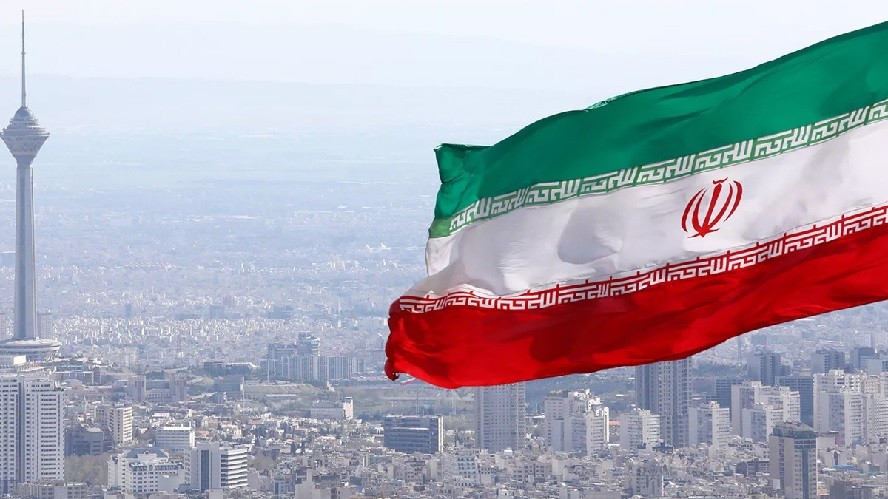
Meanwhile, Iran has intensified missile and drone attacks in various locations across the Middle East, reportedly in the aftermath of joint US-Israeli attacks. Allegations of attacks targeting tankers in the Strait of Hormuz have also surfaced. Approximately one-fifth of the world’s oil and liquefied natural gas is transported through this strait.

As a result of the ongoing conflict, international oil prices have risen. Brent crude prices on Wednesday increased by $1.11, or 1.4 percent, reaching $82.53 per barrel, the highest since January 2025.

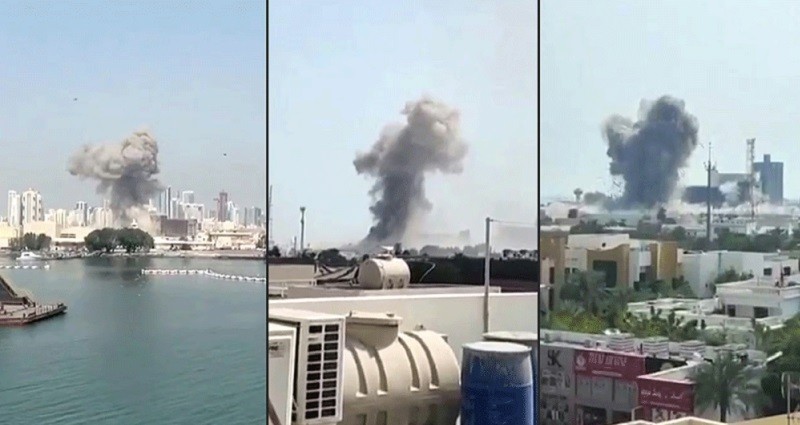
Reports of drone attacks have also been received at Duqm port, located on Oman’s eastern coast. Additionally, an oil storage area in the United Arab Emirates has been attacked. Regional sources indicate that Iran has also included the infrastructure of Saudi Arabia, the UAE, and Qatar in its targets.

Due to the situation, Iraq, the second-largest crude oil producer within OPEC, has reduced its daily production by approximately 1.5 million barrels due to export route limitations and storage issues.

Amid the tensions, various countries and companies have begun seeking alternative fuel sources and routes. India and Indonesia have initiated efforts for alternative supplies, while some Chinese refineries have decided to reduce production or bring forward maintenance.


ট্যাগঃ

Another Drone Attack Targets Saudi Oil Giant Aramco

সময়ঃ ১১:৪৫:২০ পূর্বাহ্ন, বুধবার, ৪ মার্চ ২০২৬

Saudi Arabia’s oil giant, Saudi Aramco’s largest domestic refinery, Ras Tanura Refinery, has once again been targeted by a drone attack. A spokesperson for the Saudi Ministry of Defense confirmed this information, according to NDTV.

The spokesperson stated that an attack attempt was made targeting the Ras Tanura Refinery. Preliminary assessments indicate that the attack was carried out by drones, but no damage was incurred.

Earlier on Monday, following an attack similar to Iran’s ‘Shahed’ suicide drones, Saudi Aramco was forced to temporarily halt operations at the Ras Tanura Refinery due to security concerns. This complex is considered one of the most important foundations of Saudi Arabia’s energy sector.

As the world’s largest oil exporter, most of Saudi Arabia’s oil fields and energy infrastructure are located on the country’s eastern coast, in the Gulf region, opposite Iran.

Following the first drone attack earlier this week, Aramco suspended the export of liquefied petroleum gas (LPG). Although local supply remained normal, the company stated that propane and butane exports would be suspended for several weeks.

Meanwhile, Iran has intensified missile and drone attacks in various locations across the Middle East, reportedly in the aftermath of joint US-Israeli attacks. Allegations of attacks targeting tankers in the Strait of Hormuz have also surfaced. Approximately one-fifth of the world’s oil and liquefied natural gas is transported through this strait.

As a result of the ongoing conflict, international oil prices have risen. Brent crude prices on Wednesday increased by $1.11, or 1.4 percent, reaching $82.53 per barrel, the highest since January 2025.

Reports of drone attacks have also been received at Duqm port, located on Oman’s eastern coast. Additionally, an oil storage area in the United Arab Emirates has been attacked. Regional sources indicate that Iran has also included the infrastructure of Saudi Arabia, the UAE, and Qatar in its targets.

Due to the situation, Iraq, the second-largest crude oil producer within OPEC, has reduced its daily production by approximately 1.5 million barrels due to export route limitations and storage issues.

Amid the tensions, various countries and companies have begun seeking alternative fuel sources and routes. India and Indonesia have initiated efforts for alternative supplies, while some Chinese refineries have decided to reduce production or bring forward maintenance.