
০৪:২১ পূর্বাহ্ন, বুধবার, ১৮ ফেব্রুয়ারী ২০২৬, ৫ ফাল্গুন ১৪৩২ বঙ্গাব্দ

Did BNP Flip-Flop?

  • Sangbad365 Admin
  • সময়ঃ ১০:৪৫:১৬ পূর্বাহ্ন, মঙ্গলবার, ১৭ ফেব্রুয়ারী ২০২৬
  • ১৬০০৩ Time View

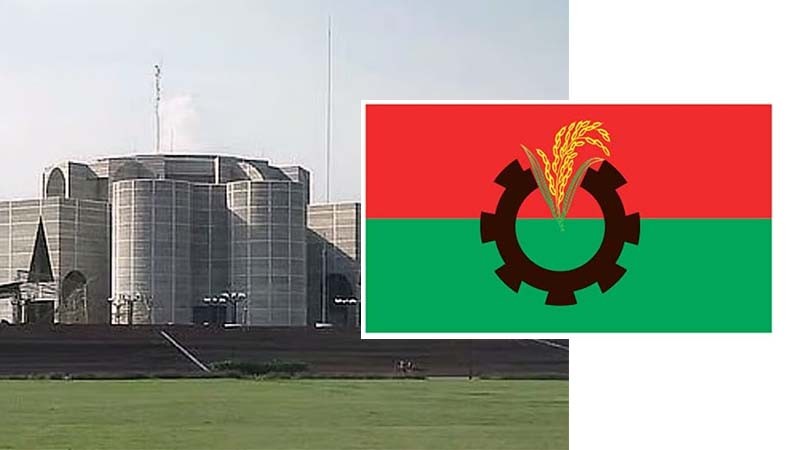
The Bangladesh Nationalist Party (BNP) has sparked a new controversy in the country’s political arena concerning the oath-taking ceremony of the Constitution Reform Council. Although elected Members of Parliament (MPs) were supposed to be sworn in simultaneously as members of the Constitution Reform Council, the party abstained from that oath at the last moment. Since then, various discussions and criticisms have begun on social media; many are saying that the BNP “flipped” as soon as it came to power.

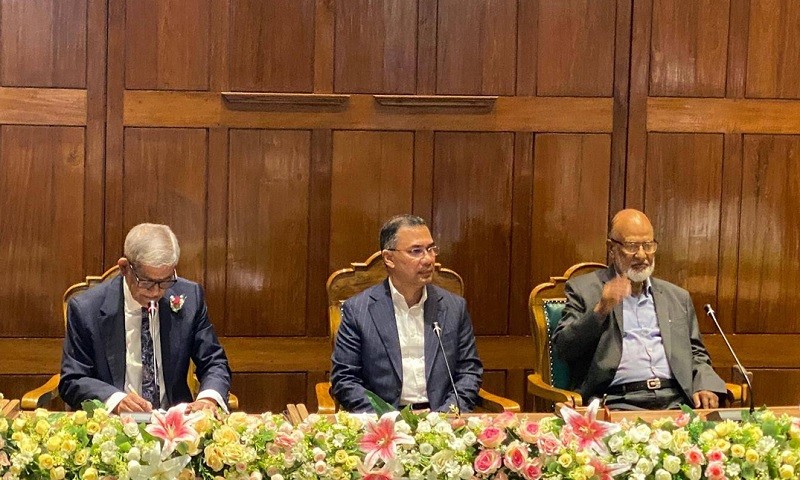
On Tuesday, before the ceremony began in the oath-taking chamber of the Jatiya Sangsad Bhaban, Salahuddin Ahmed, a member of the party’s Standing Committee, informed journalists that no BNP member had been elected as a member of the Constitution Reform Council, and the current constitution does not provide for such a council. According to him, if a Constitution Reform Council is to be formed according to the referendum’s verdict, it must first be incorporated into the constitution. The provision for who will administer the oath to the council members must also be clear in the constitution. The question of oath-taking can only arise after the necessary form is added to the Third Schedule and constitutionally adopted by the parliament. He stated, “We have followed the constitution until now, and we will continue to follow it in the future.” Party Chairman Tareque Rahman and elected MPs were present at the time.

In contrast to the BNP’s stance, 68 elected Members of Parliament from Bangladesh Jamaat-e-Islami took the oath as members of the Constitution Reform Council. The oath was administered by Chief Election Commissioner A. M. M. Nasir Uddin. Rumin Farhana, the independent MP from Brahmanbaria-2 constituency, left the oath-taking chamber. It is also known that Ishraque Hossain, the elected BNP MP from Dhaka-6 constituency, initially walked out but later took the oath.

After the oath-taking ceremony, Asif Mahmud Sajib Bhuiyan, spokesperson for the National Citizen Party (NCP) and former advisor to the interim government, expressed strong reactions on social media. On his verified Facebook page, he wrote, “The journey of the new parliament has begun by showing a thumb to the public mandate of the referendum on the very first day. Now it’s time to see the opposition’s decision.” Following his comment, the online debate intensified.

A user named Wahid Al Hasan questioned that if the logic used to suspend the oath of the Constitution Reform Council were followed, there would be no opportunity for elections before 2029. According to him, was the three-month-long consensus commission meeting merely a drama? He also questioned the justification for the state’s expenditure of time and money.

Another user named Kabir Yahmad commented that the members of the so-called National Consensus Commission violated the constitution. He claimed that if the oath of the Constitution Reform Council is unconstitutional, then those involved should be charged with treason under Article 7(a)(b) of the constitution. According to him, upholding one part of the constitution while disregarding another cannot coexist.

A user named Mirza Galib raised broader questions. He wrote that the constitution is unclear about what happens if the Prime Minister flees the country during a popular uprising. Similarly, the provision for an interim government is also absent from the constitution. So, how was the election held under an interim government constitutional? His question was, if the oath of the Constitution Reform Council is unconstitutional, how is taking the oath as an MP constitutional?

On the other hand, a user named Belayet Hossain commented that a position not stipulated in the constitution cannot be forcibly created. According to him, there is no legal basis for taking an oath as a member of the Constitution Reform Council without amending the constitution. First, constitutional approval in the National Parliament, then the oath—this should be the legal and democratic path. He also commented that obeying the law is not a crime.

On February 12, the day of the 13th National Parliament election, over 60 percent of voters said ‘yes’ in a referendum on the implementation of the July Charter. According to the directive, elected MPs are supposed to serve simultaneously as members of the Constitution Reform Council, and a deadline of 180 working days from the first session is set for implementing the amendments. However, it is known that the BNP is not obliged to implement some of the proposals due to its ‘note of dissent’ on them.

All in all, the new parliament’s journey has begun amidst this dual position: constitutional interpretation versus the public mandate of the referendum on the oath issue. Whether BNP’s stance is strategic or principled will become clear with the parliament’s subsequent actions.

ট্যাগঃ

Did BNP Flip-Flop?

সময়ঃ ১০:৪৫:১৬ পূর্বাহ্ন, মঙ্গলবার, ১৭ ফেব্রুয়ারী ২০২৬

The Bangladesh Nationalist Party (BNP) has sparked a new controversy in the country’s political arena concerning the oath-taking ceremony of the Constitution Reform Council. Although elected Members of Parliament (MPs) were supposed to be sworn in simultaneously as members of the Constitution Reform Council, the party abstained from that oath at the last moment. Since then, various discussions and criticisms have begun on social media; many are saying that the BNP “flipped” as soon as it came to power.

On Tuesday, before the ceremony began in the oath-taking chamber of the Jatiya Sangsad Bhaban, Salahuddin Ahmed, a member of the party’s Standing Committee, informed journalists that no BNP member had been elected as a member of the Constitution Reform Council, and the current constitution does not provide for such a council. According to him, if a Constitution Reform Council is to be formed according to the referendum’s verdict, it must first be incorporated into the constitution. The provision for who will administer the oath to the council members must also be clear in the constitution. The question of oath-taking can only arise after the necessary form is added to the Third Schedule and constitutionally adopted by the parliament. He stated, “We have followed the constitution until now, and we will continue to follow it in the future.” Party Chairman Tareque Rahman and elected MPs were present at the time.

In contrast to the BNP’s stance, 68 elected Members of Parliament from Bangladesh Jamaat-e-Islami took the oath as members of the Constitution Reform Council. The oath was administered by Chief Election Commissioner A. M. M. Nasir Uddin. Rumin Farhana, the independent MP from Brahmanbaria-2 constituency, left the oath-taking chamber. It is also known that Ishraque Hossain, the elected BNP MP from Dhaka-6 constituency, initially walked out but later took the oath.

After the oath-taking ceremony, Asif Mahmud Sajib Bhuiyan, spokesperson for the National Citizen Party (NCP) and former advisor to the interim government, expressed strong reactions on social media. On his verified Facebook page, he wrote, “The journey of the new parliament has begun by showing a thumb to the public mandate of the referendum on the very first day. Now it’s time to see the opposition’s decision.” Following his comment, the online debate intensified.

A user named Wahid Al Hasan questioned that if the logic used to suspend the oath of the Constitution Reform Council were followed, there would be no opportunity for elections before 2029. According to him, was the three-month-long consensus commission meeting merely a drama? He also questioned the justification for the state’s expenditure of time and money.

Another user named Kabir Yahmad commented that the members of the so-called National Consensus Commission violated the constitution. He claimed that if the oath of the Constitution Reform Council is unconstitutional, then those involved should be charged with treason under Article 7(a)(b) of the constitution. According to him, upholding one part of the constitution while disregarding another cannot coexist.

A user named Mirza Galib raised broader questions. He wrote that the constitution is unclear about what happens if the Prime Minister flees the country during a popular uprising. Similarly, the provision for an interim government is also absent from the constitution. So, how was the election held under an interim government constitutional? His question was, if the oath of the Constitution Reform Council is unconstitutional, how is taking the oath as an MP constitutional?

On the other hand, a user named Belayet Hossain commented that a position not stipulated in the constitution cannot be forcibly created. According to him, there is no legal basis for taking an oath as a member of the Constitution Reform Council without amending the constitution. First, constitutional approval in the National Parliament, then the oath—this should be the legal and democratic path. He also commented that obeying the law is not a crime.

On February 12, the day of the 13th National Parliament election, over 60 percent of voters said ‘yes’ in a referendum on the implementation of the July Charter. According to the directive, elected MPs are supposed to serve simultaneously as members of the Constitution Reform Council, and a deadline of 180 working days from the first session is set for implementing the amendments. However, it is known that the BNP is not obliged to implement some of the proposals due to its ‘note of dissent’ on them.

All in all, the new parliament’s journey has begun amidst this dual position: constitutional interpretation versus the public mandate of the referendum on the oath issue. Whether BNP’s stance is strategic or principled will become clear with the parliament’s subsequent actions.